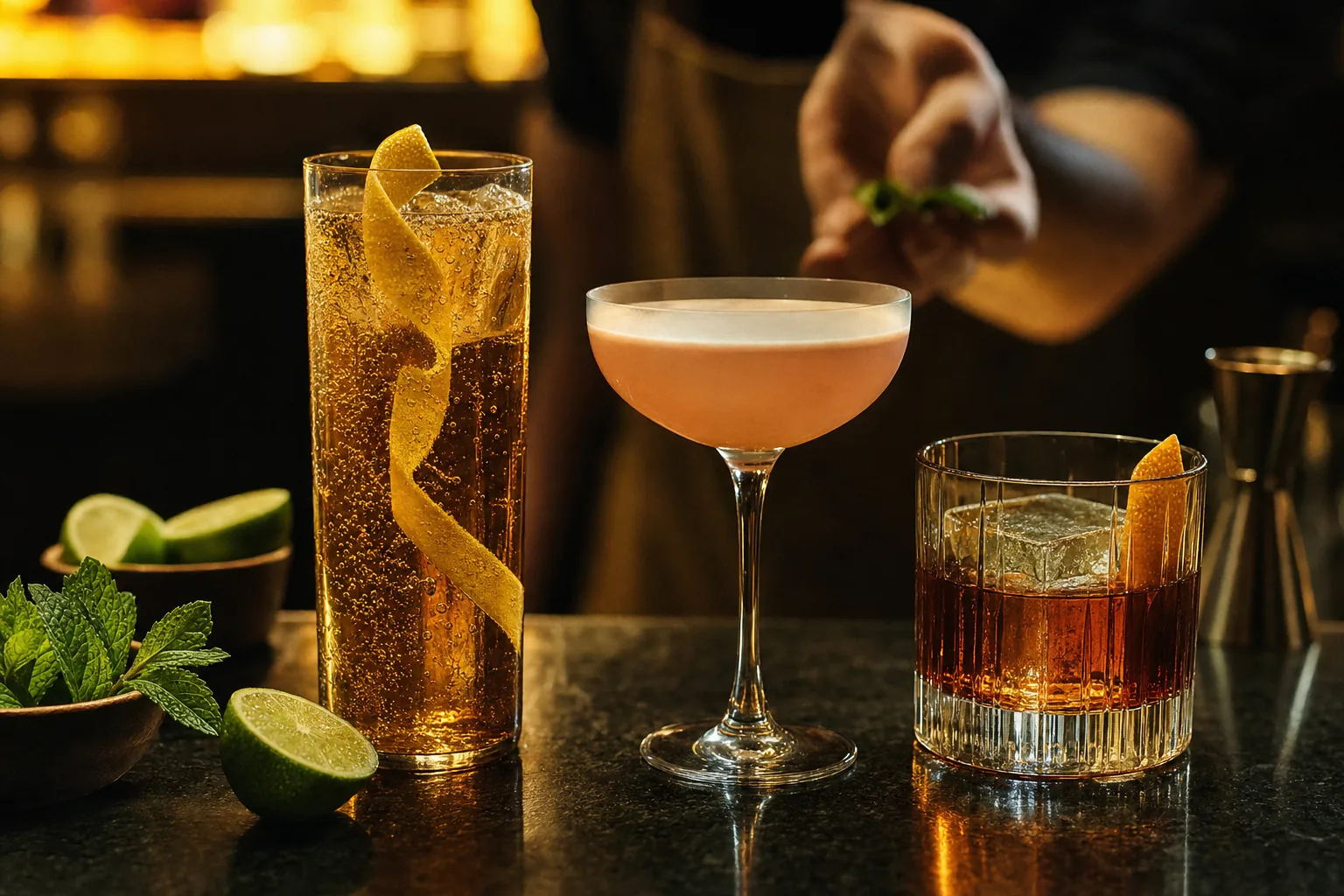
Why a non-alcoholic program matters
People skip alcohol for all kinds of reasons: driving, pregnancy, health, medication, religion, sport, work the next morning or simply preference. In many communities and regions, including across India and the Middle East, many guests never drink alcohol at all. For them, the non-alcoholic list is the entire drinks experience, and a menu offering only sugary sodas and a couple of juices tells them they are an afterthought.
A thoughtful zero-proof program changes that. When a guest who is not drinking can order something complex, beautifully served and clearly made with care, they share the same sense of occasion as the rest of the table. That matters for hospitality and for business: groups choose restaurants where everyone is looked after, and a guest with a great drink in hand is more likely to stay for dessert.
It is also good for the bar. Zero-proof drinks use many of the same techniques and prepared ingredients as cocktails, so a strong program makes better use of the syrups, juices and garnishes the bar already makes, and it gives bartenders a creative outlet that every guest can enjoy. Many of the best zero-proof ideas come from the bar team itself, so invite them into the menu planning.
Mocktail technique: balance, dilution and texture
The common failure of non-alcoholic drinks is that they taste like juice or syrup in a fancy glass. Alcohol does a lot of work in a cocktail: it adds body, warmth, a slight bitterness and a dryness that stops sweet ingredients from cloying. Remove it and you need to rebuild that structure deliberately with other ingredients. That is a skill, not a substitution.
Think of every zero-proof drink in terms of the same building blocks a chef uses for a dish: sweet, sour, bitter, salty, aromatic and textural. A drink that is only sweet and sour will taste flat and childish however good the fruit. Add one or two structural elements and it starts to feel like a grown-up drink. The three levers below matter most.
Balance
Start from a proven ratio, such as the sour structure used in classic cocktails, and replace the spirit with a base that has its own character: cold-brewed tea, verjuice, a shrub, a clarified juice, a spiced infusion or a non-alcoholic distillate. Then add backbone. Bitterness from tea tannin, citrus peel, gentian-based syrups or tonic; heat from ginger, chili or black pepper; and a few drops of saline solution all give a drink length and keep sweetness in check.
Taste with a straw at every stage and adjust in small amounts. Aim for a finish that is slightly drier than you might expect, because guests drink zero-proof drinks more quickly and sweetness builds over a glass.
Dilution
Shaking or stirring with ice chills a drink and adds water, often around a quarter of the final volume or more for a hard shake. In a cocktail, that dilution softens the alcohol. In a zero-proof drink with no alcohol to soften, it can leave the drink thin and watery. Build recipes with dilution in mind: use more concentrated syrups and bases, shake for less time, or build directly over large, dense ice that melts slowly.
Measure every component with a jigger, as you would for a cocktail. Free-pouring is the quickest way to make a zero-proof drink inconsistent from one guest to the next.
Texture
Alcohol gives a drink weight on the tongue, so replace it with texture. Rich syrups at two parts sugar to one part water add body, gum syrup gives a silky feel, and egg white or aquafaba, the cooking liquid from chickpeas, creates a fine foam with a dry shake before ice is added. Carbonation adds lift and a sense of liveliness. Coconut water, oat milk and yogurt-based drinks such as a spiced chaas each bring their own body and fit naturally on many menus.
Make your own house sodas
House sodas are the simplest way to give a non-alcoholic list a signature. The method is straightforward: make a flavored syrup, balance it with acid, and lengthen it with chilled soda water, or carbonate the finished mix yourself. Ginger, lemongrass, kokum, tamarind, hibiscus, cucumber and mint, and spiced orange all make excellent bases. Regional flavors such as kokum or tamarind give a list a strong sense of place.
For consistency, batch the syrup to a written recipe and dilute it at a fixed ratio, such as one part syrup to four parts soda water, adjusting for the strength of your syrup. For the best bubbles, keep everything as cold as possible, because cold liquid holds carbon dioxide far better than warm liquid. Many bars force-carbonate batches in a soda siphon or a small keg system for a livelier, more consistent result.
- Make the flavor base: simmer or steep the main ingredient, such as sliced ginger or dried hibiscus, in water.
- Strain and dissolve sugar into the warm liquid to make a syrup, typically one to one by weight.
- Balance with acid, such as fresh lime juice or citric acid, and a pinch of salt, then taste.
- Chill the syrup quickly and store it covered in the refrigerator, labeled with the date.
- Combine chilled syrup and very cold soda water at your set ratio, or carbonate the full mix.
- Serve over plenty of ice with a fresh garnish, and record the final ratio in the recipe book.
Shrubs, cold brews and kombucha
Shrubs, or drinking vinegars, are fruit syrups preserved with vinegar. A cold-process shrub macerates chopped fruit with sugar until it releases its juice, then adds vinegar, often in roughly equal parts by weight. The result is sweet, sharp and intensely fruity, and it gives zero-proof drinks the acidity and length that alcohol would otherwise provide. Strawberry and black pepper, pineapple and chili, or plum and star anise are reliable starting points.
Cold brew coffee and cold-brewed tea are smooth, low in bitterness and easy to batch. Steep coarsely ground coffee or loose tea in cold water in the refrigerator, strain carefully and keep the concentrate chilled. Kombucha, a fermented sweet tea, and regional ferments such as kanji, the North Indian black carrot drink with mustard seed, add tang and complexity, but they need more care.
Fermented drinks bring food safety responsibilities. Kombucha must become acidic enough during fermentation to be safe, and both kombucha and other ferments can develop small amounts of alcohol, sometimes above the legal limit for a non-alcoholic drink. Work from tested recipes, monitor acidity with a pH meter, keep clean, dated records, and follow your local food authority's rules, which may require a written safety plan for fermented products.
| Base | Method | Typical time | Notes |
|---|---|---|---|
| Cold-process shrub | Macerate fruit with sugar, strain, add vinegar | 1 to 3 days | Use clean, ripe fruit; refrigerate once made |
| Cold brew coffee | Steep coarse coffee in cold water, then strain | 12 to 24 hours, refrigerated | Dilute concentrate to taste; hold cold |
| Cold-brewed tea | Steep loose tea in cold water | 6 to 12 hours, refrigerated | Softer and less bitter than hot-brewed iced tea |
| Kombucha | Ferment sweetened tea with a culture | 1 to 3 weeks | Monitor acidity and alcohol; follow local rules |
| Kanji | Ferment black carrots with mustard seed, salt and water | Several days | Tangy and savory; keep salt levels consistent |
Build a balanced zero-proof list
A good non-alcoholic list offers a range of styles, just like a cocktail list. Include something bright and citrusy, something bitter and aperitif-like, something creamy or rich, something long and refreshing, and something warm or spiced for colder months. Five or six drinks are enough for most restaurants; a dedicated bar might offer more. Rotate one or two drinks with the seasons to keep regulars interested.
Draw on your cuisine. An Indian restaurant might serve a tamarind and jaggery sour, a kokum and black salt fizz or a saffron and cardamom milk punch; a Mediterranean kitchen might offer a rosemary and blood orange spritz or a fig leaf soda. Using flavors from the kitchen makes the drinks feel like part of the menu rather than an add-on.
- Tamarind sour: tamarind syrup, fresh lime, a pinch of black salt, aquafaba, shaken and served up
- Bitter spritz: grapefruit shrub, alcohol-free bitter aperitif or gentian syrup, topped with soda over ice
- Kokum fizz: kokum syrup, lime, roasted cumin and mint, lengthened with chilled soda
- Cold brew tonic: cold brew concentrate over ice, topped with tonic and an orange twist
- Smoked chai milk punch: spiced tea, milk and jaggery, served cold over a large cube
- Garden cooler: cucumber, basil and green apple juice with lemon and a splash of soda
Using flavors from the kitchen makes the drinks feel like part of the menu rather than an add-on.
Price zero-proof drinks fairly
Guests sometimes question paying a cocktail-level price for a drink without alcohol, and some operators respond by pricing zero-proof drinks like soft drinks. That undervalues the work. A good non-alcoholic cocktail takes the same skill, time, glassware and prepared ingredients as an alcoholic one, and its house-made syrups and shrubs carry real labor cost. Pricing should reflect that work honestly.
Cost each drink by the serve, including syrups, juices, garnish and ice, then add an allowance for preparation time. Many venues price zero-proof cocktails somewhat below their alcoholic counterparts but well above sodas and juices, which feels fair to guests and keeps margins healthy. Use your POS or sales records to see how each drink sells and adjust prices or recipes based on what you find.
Make the value visible. Descriptions that mention house-made elements, a beautiful glass and a considered garnish all signal that the drink is worth its price. A zero-proof drink served in a plain tumbler with a straw will always feel overpriced, whatever it contains. Presentation is part of the price, and guests judge it before they take the first sip. Investing in a few good glasses for the zero-proof list pays back quickly.
Glassware, ice and garnish
Serve zero-proof drinks in the same glassware as cocktails: coupes for drinks served up, rocks glasses with a large cube for stirred or spirit-forward styles, and tall highballs for long, fizzy drinks. The glass tells the guest how to experience the drink, and it lets a non-drinker sit at the table without their drink looking like an afterthought. It also avoids awkward questions at the table.
Ice matters as much as it does in a cocktail. Large, clear cubes melt slowly and protect the drink from over-dilution, while crushed ice suits frozen or swizzle-style drinks that are meant to be very cold and lightly diluted. Chill glasses where you can, especially for drinks served up. If you cannot make clear ice in house, buy it from a supplier or freeze large blocks in insulated containers and cut them, which gives slower-melting cubes than standard machine ice.
Garnish with purpose. A citrus twist expressed over the glass adds aroma, a sprig of mint or curry leaf signals freshness, and a dusting of spice or a salt rim hints at what is inside. Avoid garnishes that are purely decorative and get pushed aside. Every garnish should be edible or aromatic and relate to a flavor in the glass, and it should be prepared before service so it can be placed in seconds.
Frequently asked questions
What is the difference between a mocktail and a zero-proof cocktail?
The terms are often used interchangeably. Mocktail traditionally meant a sweet, juice-based drink imitating a cocktail, while zero-proof or spirit-free usually signals a drink built with cocktail technique, balance and structure. Whatever you call it, the goal is the same: a complex, well-made drink with no alcohol.
How do you make non-alcoholic cocktails taste less sweet?
Add structure instead of sugar. Bitterness from tea, citrus peel or gentian syrup, acidity from citrus, shrubs or verjuice, heat from ginger or chili and a few drops of saline all balance sweetness. Use concentrated bases so you need less syrup, and aim for a slightly dry finish.
Is kombucha alcohol-free?
Not always. Kombucha is fermented, and fermentation can produce small amounts of alcohol, which may continue to rise in the bottle. Some products exceed the legal threshold for non-alcoholic drinks in certain regions. If you brew or serve kombucha, follow tested methods, monitor it and check your local food and licensing rules.
How much should I charge for a non-alcoholic cocktail?
Cost the drink by the serve, including syrups, juices, garnish and labor, then price it to meet your target margin. Many venues price zero-proof cocktails a little below alcoholic cocktails but well above sodas and juices. Strong presentation and house-made ingredients make the price feel fair to guests.
What is a shrub drink?
A shrub, or drinking vinegar, is a syrup made from fruit, sugar and vinegar. Fruit is macerated with sugar until it releases its juice, then strained and mixed with vinegar. Shrubs are sweet, tart and fruity, and they add acidity and depth to sodas and zero-proof cocktails.
Where should non-alcoholic drinks go on the menu?
Give them a dedicated, clearly named section on the drinks menu, ideally beside or just after the cocktails so guests see them as equals. Mark cocktails that can be made without alcohol and be precise about any trace alcohol. On a digital menu, a separate category makes them easy to find.
- #non-alcoholicdrinks
- #zero-proofcocktails
- #mocktails
- #housesodas
- #shrubsandcoldbrew